How to Load a Dumpster Properly: 7 Tips to Maximize Space and Avoid Wasting Money
New Title
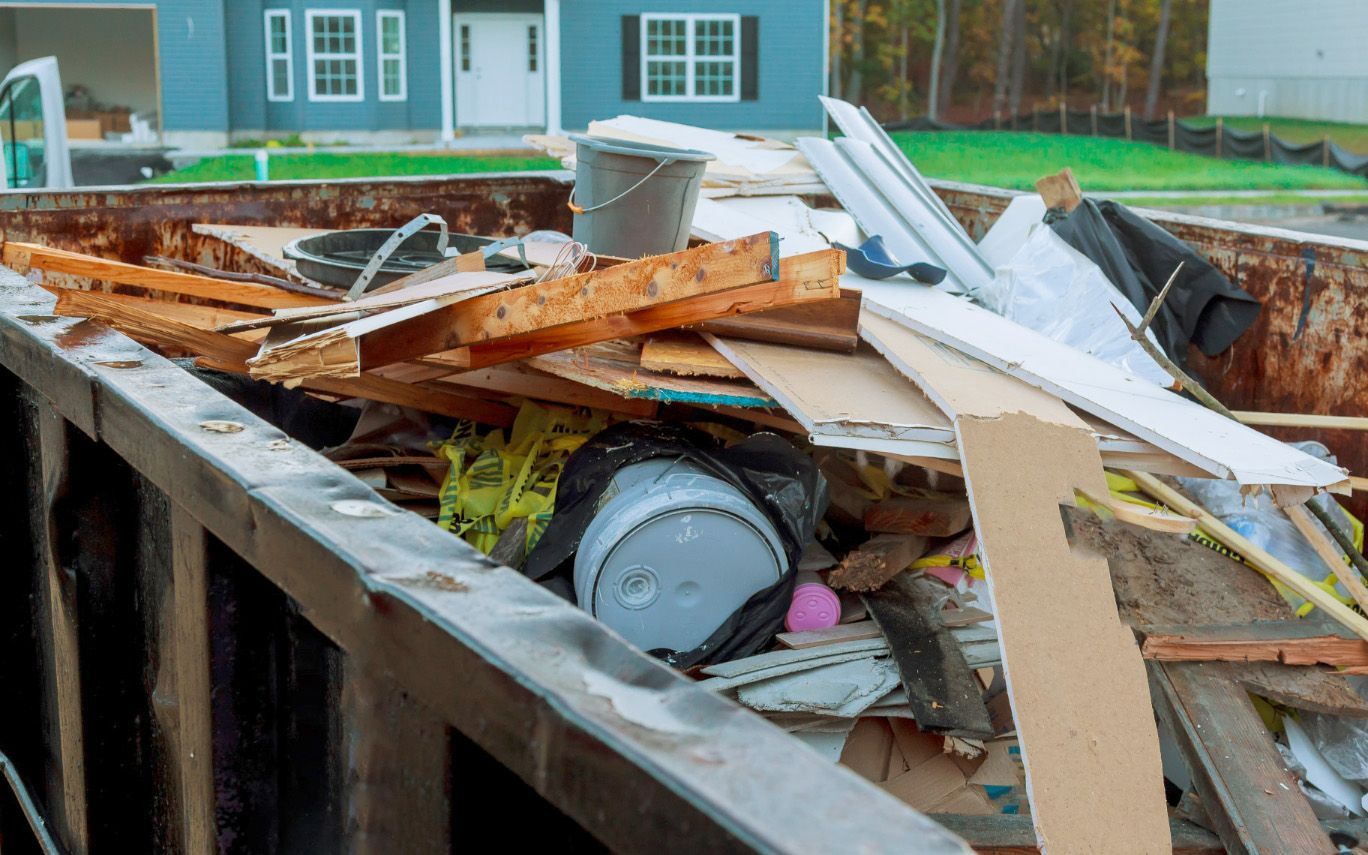
Renting a dumpster is one of the easiest ways to get rid of unwanted junk during a home cleanout, renovation, or construction project. However, many homeowners make one costly mistake: they load their dumpster without a plan. Before they know it, the container looks full, even though large empty spaces remain underneath furniture, boxes, and bulky debris.
Knowing how to load a dumpster properly can help you maximize available space, reduce wasted capacity, and potentially avoid needing a second dumpster rental.
Start With Large, Flat Items on the Bottom
One of the best ways to maximize dumpster space is to create a relatively level foundation.
Begin with materials such as:
- Flat pieces of plywood
- Cabinet panels and doors
- Lumber and boards
- Flattened cardboard
- Flat construction debris
Place materials carefully to avoid creating large gaps. A well-organized bottom layer makes it easier to stack additional junk efficiently.
Break Down Bulky Furniture Before Loading
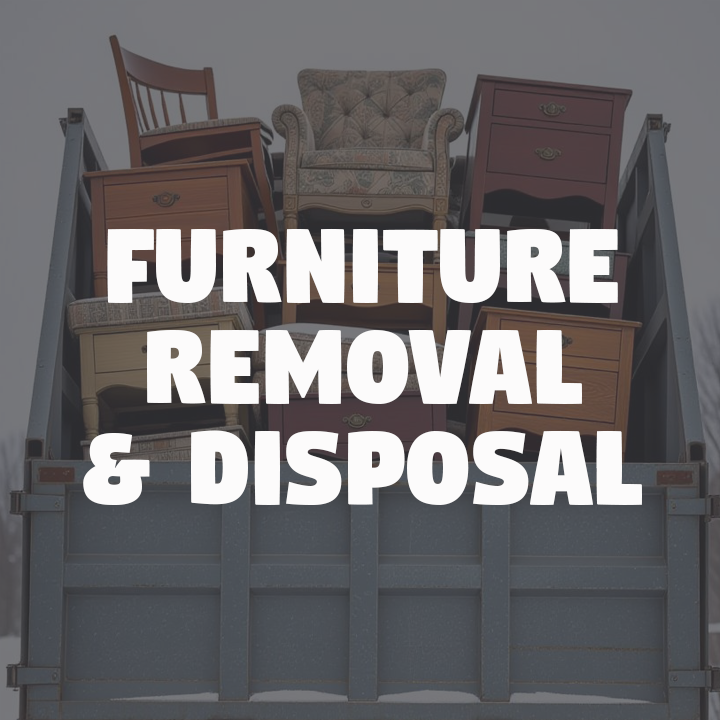
Large furniture can waste a surprising amount of dumpster space.
A couch, dining table, or oversized entertainment center may take up several cubic yards if loaded whole.
Whenever practical and safe, consider:
- Removing legs from tables
- Disassembling bed frames
- Breaking down inexpensive shelving
- Separating cabinet sections
- Removing cushions from furniture
For example, an old dining table may take up considerable space when placed upright. Removing its legs allows the tabletop to lie flat, leaving more room for other household junk.
Avoid dismantling anything containing hazardous components, and use appropriate protective equipment.
Fill Empty Spaces With Smaller Items
After loading larger items, look for unused spaces.
Small materials can often be placed between larger pieces of debris.
Examples include:
- Small wood scraps
- Broken household items
- Nonhazardous renovation debris
- Small boxes of accepted materials
The goal is to avoid creating large air pockets that make the dumpster appear full before its capacity has been used.
Do not enter or climb into a loaded dumpster to rearrange material.
Distribute Weight Evenly Throughout the Dumpster
Efficient loading isn't just about saving space. It's also about distributing weight safely.
Heavy materials concentrated at one end can create problems during pickup and transportation.
When loading:
- Spread heavy materials across the container floor
- Keep the load balanced from front to back
- Avoid stacking extremely heavy objects on unstable items
- Follow the dumpster company's weight restrictions
Concrete, dirt, bricks, shingles, and other dense materials can exceed weight limits long before the dumpster is physically full. Always confirm whether these materials are accepted.
Don't Throw Everything in Randomly
One of the biggest dumpster rental mistakes is tossing everything over the side without thinking about how the items will settle.
This often creates awkward piles, unstable stacks, and wasted space.
Instead, load in stages. Place larger materials first, then fill accessible gaps with smaller debris.
For homeowners completing a garage cleanout or estate cleanout in Red Wing, spending a few extra minutes organizing each load can make a noticeable difference.
Never Load Above the Dumpster's Fill Line
Even if you have a few items remaining, do not pile debris above the maximum fill line or top edge.
Overfilled dumpsters can create transportation hazards and may require material to be removed before pickup.
Remember that a full dumpster should be safely loaded, not overflowing.
If you have more debris than expected, contact your rental provider about additional capacity or another pickup.
Red Wing Junk Hauling offers dumpster rental solutions for homeowners, landlords, contractors, and businesses in Red Wing and surrounding communities.
Get a Free Quote Today!